The Mighty Oak
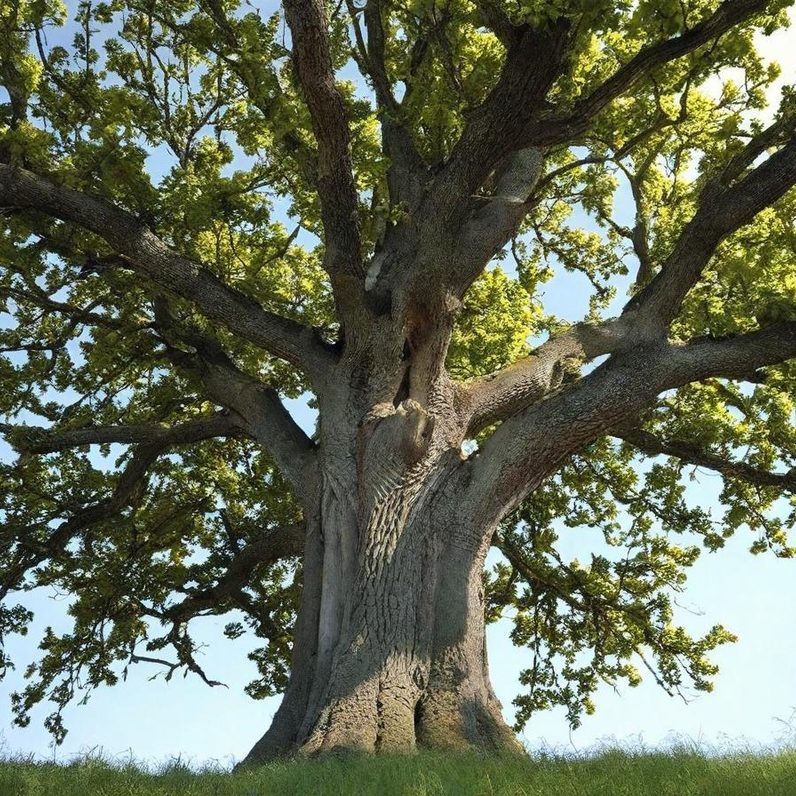
The oak tree, a stalwart of British woodworking tradition, has been revered for centuries due to its strength, durability, and aesthetic appeal. Historically, oak was the primary choice for constructing ships, as its resistance to water and rot made it ideal for maritime applications. Additionally, its dense wood has been used for making furniture, flooring, and beams in timber-framed buildings, which not only showcase the natural beauty of the grain but also provide structural integrity. The use of oak in the creation of barrels for aging wine and whisky further highlights its significance in British craftsmanship. These historical uses have cemented the oak's status as a symbol of resilience and longevity in woodworking, making it a favourite among artisans and tradespeople alike.
The Ash Tree
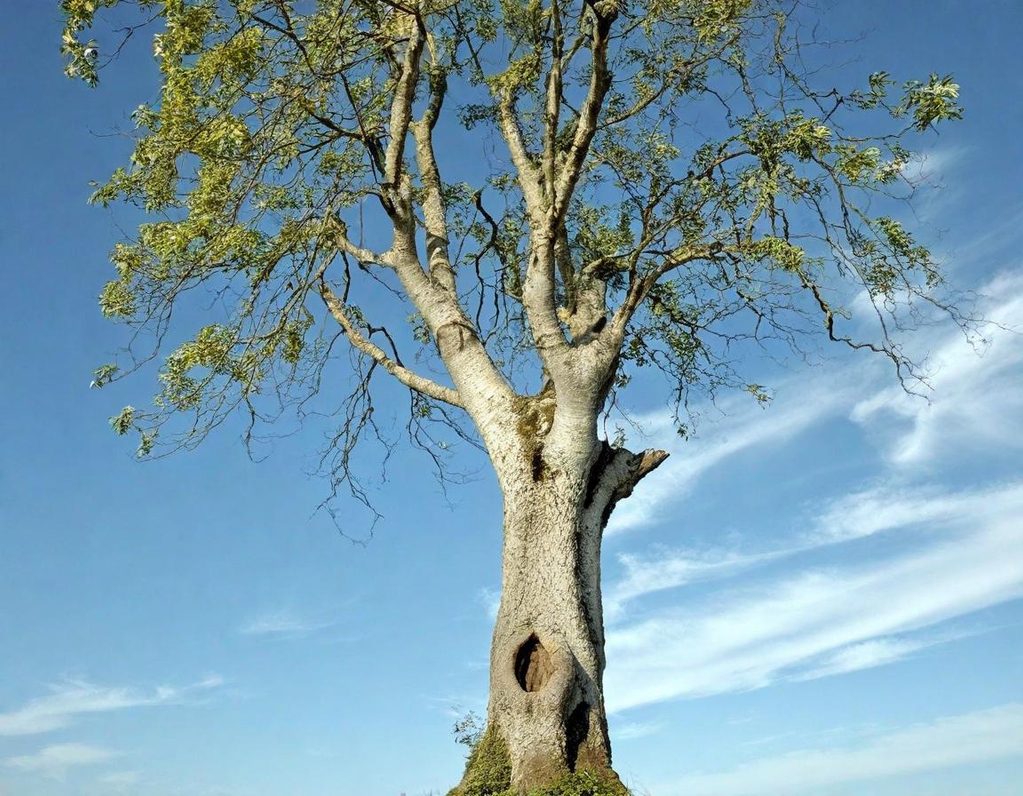
The Ash tree, known for its resilience and strength, has played a significant role in woodworking throughout history, particularly in British culture. Traditionally, the wood from the Ash has been prized for its excellent bending qualities, making it ideal for crafting items such as furniture, sports equipment like baseball bats and hurleys, and even tools. Its fine grain and attractive light colour also lend themselves well to finishing and polishing, resulting in stunning crafted pieces. Historically, Ash wood was used in the construction of wagons and carts, taking advantage of its robust nature to withstand heavy loads. The wood's ability to resist splitting made it a favourite for handle making and other components requiring durability. As techniques have evolved, Ash has remained a sought-after material for artisans and craftsmen, admired for both its practicality and aesthetic appeal.
The Beech Tree
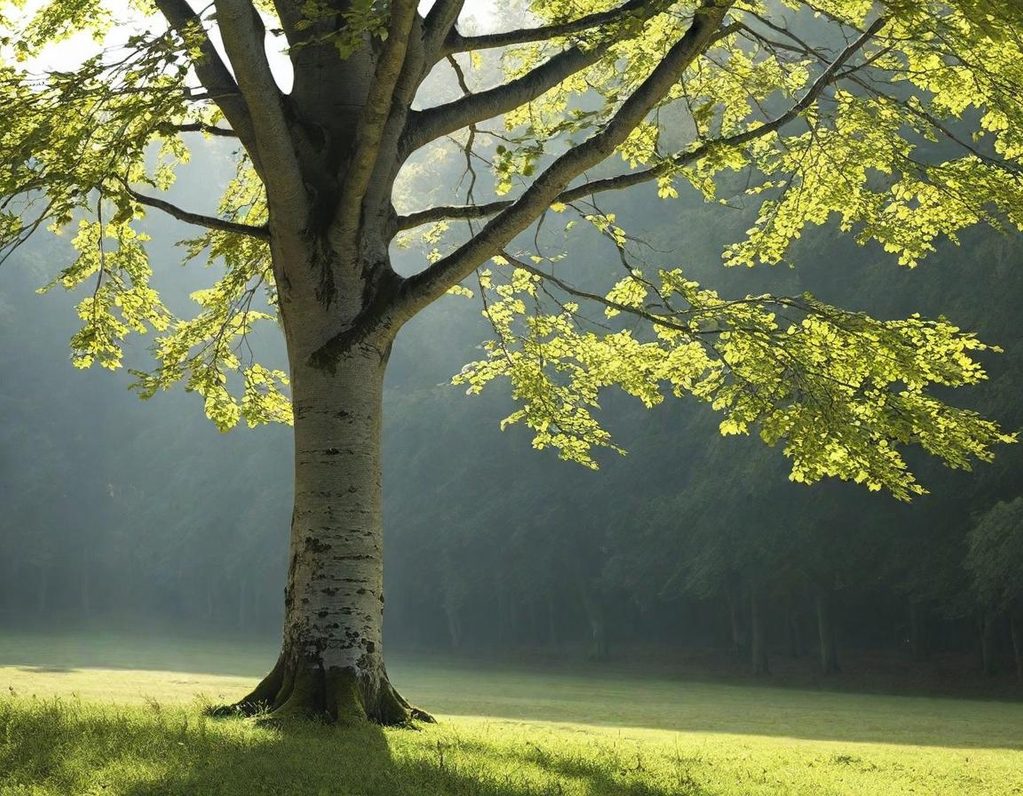
The beech tree, renowned for its fine, straight-grained wood, has held a prominent place in woodworking throughout history. Its durability and workability have made it a favourite among craftsmen for centuries. In the medieval period, beech wood was often utilised in the creation of furniture and kitchenware, as its hard surface lent itself well to carving and resistance to wear. Additionally, the wood's light colour and smooth finish made it ideal for decorative elements in cabinetry and flooring during the Victorian era. Craftsmen prized beech for its ability to take stains and finishes beautifully, enabling more intricate designs and elegant furnishings to be crafted. Furthermore, the tradition of using beech in tool handles persists to this day, as its shock-resistant properties make it exceptionally suited for items like hammer handles and various hand tools. Overall, the versatility and aesthetic appeal of beech wood continue to influence woodworking trends, bridging the past and present in the craft.
The Cherry tree
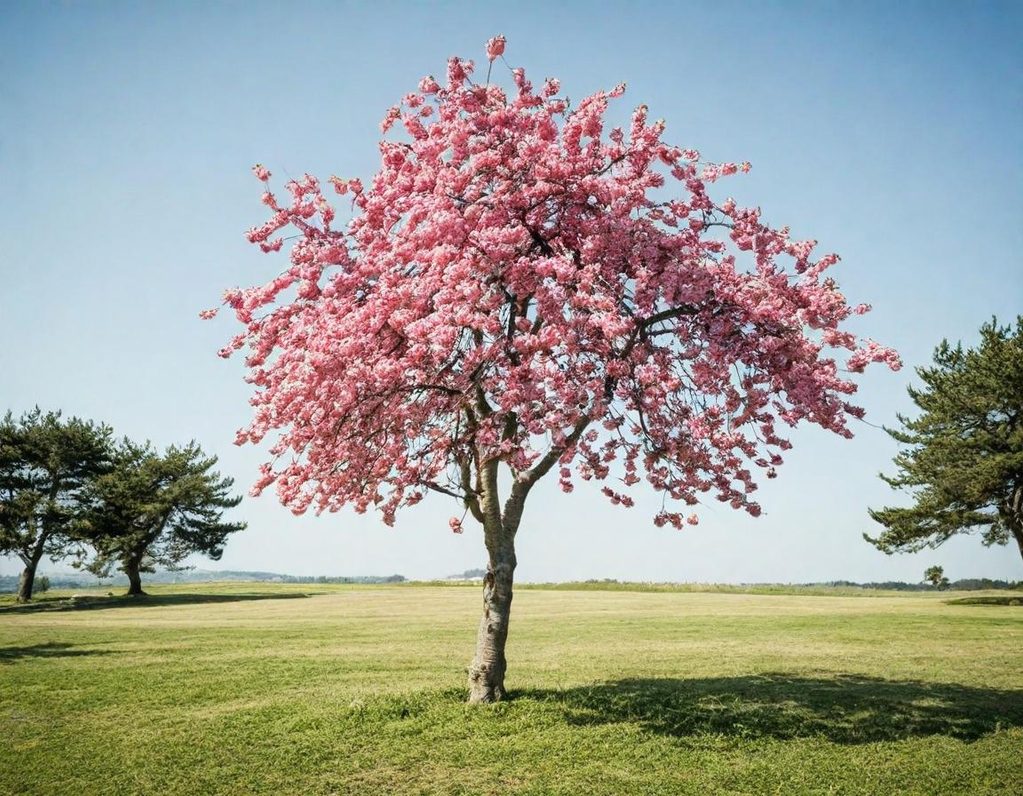
The cherry tree, revered for its beautiful wood and luscious fruit, has played a significant role in woodworking throughout history. Traditionally, cherry wood has been a favoured material among craftsmen for its fine grain, rich colour, and durability, making it ideal for crafting high-quality furniture and cabinetry. Its warm, reddish-brown hue deepens over time, adding character and elegance to any piece. In the realm of fine woodworking, cherry's workability has allowed artisans to create intricate designs and detailed carvings, a practice that can be traced back to the Renaissance period when master craftsmen recognised its potential. Furthermore, cherry wood has been historically used to create musical instruments, such as pianos and guitars, due to its excellent tonal qualities. As time progressed, cherry trees became emblematic in stonemasonry and architecture as well, showcasing their versatility and significance in various trades, thus firmly embedding them in the cultural and artistic tapestry of British craftsmanship.